03.06.2026 ·
✍ Özlem Yayan
By 2026, technological infrastructure in the real estate sector has become one of the most critical factors determining the value of a home. Smart home systems are increasing housing prices by an average of 6% to 8%, making them a focal point for investors and buyers. Buyers are no longer solely focused on location, square footage, and views; they prefer homes with energy efficiency, security, and remote control features.
The Smart Home Wave
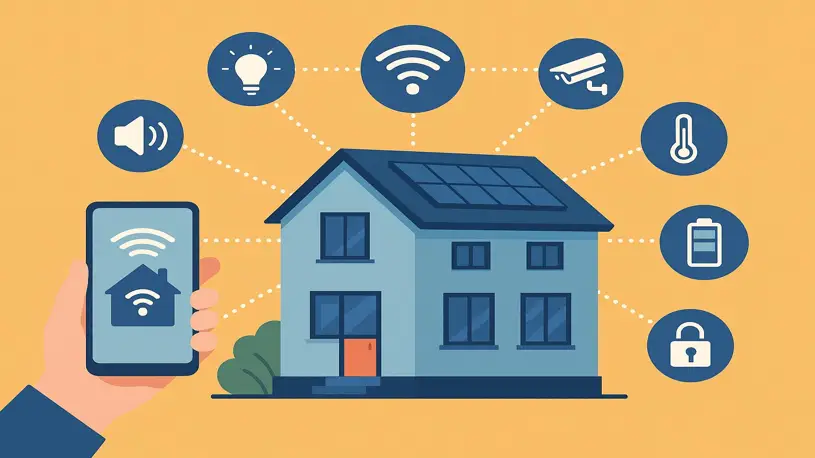
58% of new projects are delivered with smart infrastructure. "Plug-and-play" security cameras, motion sensors, and smart thermostats are integrated with user-friendly mobile applications, offering homeowners complete control. Energy-saving modes reduce utility bills and contribute to environmental sustainability.
Key Dynamics of Value Increase
Energy Efficiency: Heating and cooling costs are reduced by up to 20% thanks to smart thermostats.
Security Package: Door and window sensors and camera recordings reduce home insurance premiums, offering additional advantages to the buyer. Remote Control: From lighting to curtains, air conditioning to water heaters, every device is integrated into a single mobile app. This significantly enhances living comfort.
Tips for Sellers and Investors
Make a difference by setting up a basic “smart hub” before listing your home. Be sure to include an “energy efficiency report” in your sales listing; this shortens the decision-making time for buyers. In a rental model, you can increase the return on investment by charging an additional rental fee for the automation system.
In conclusion, smart home technologies are no longer a luxury, but a smart investment strategy for the future. Closely follow the 2026 trends to maximize the value of your home.